Coming from the dock
Chongqing hotpot originated from the dock workers and boatmen along the Jialing River in the late Qing Dynasty: they boiled beef offal, chili peppers, and Sichuan peppercorns in one pot to drive away the cold and satisfy the stomach, and to satisfy the hunger at a cheap price. The gene of "heavy oil and spicy" comes from the consumption of humid climate and labor, which also creates the straightforward and fiery personality of Chongqing people.
Nine Palace Grid: From Desk Tools to Fire Mechanisms
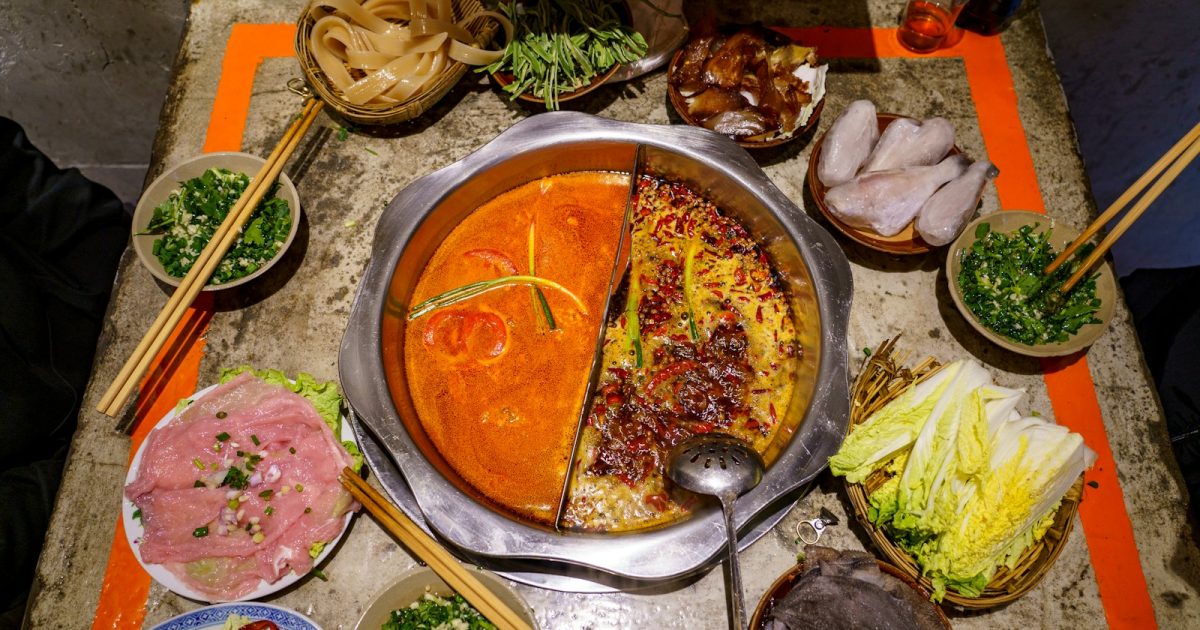
At first, there were no nine grid structures, but eight grid structures called "water eight yuan" - dock workers shared food and tables, paid their own fees, and each person kept one grid. Later on, it was discovered that the method of dividing the cooking temperature into zones was different: the grid positions were different, and the firepower and oil temperature were different, which could be opened according to the cooking speed of the ingredients.
- Center Grid (High Fire Zone): With the strongest firepower and highest oil temperature, it is reserved for crispy and tender ingredients such as tripe, duck intestines, and thousand layer tripe that can be cooked in just a few seconds..
- Cross check (medium fire area): The water temperature around is slightly lower, which is suitable for cooking beef, old meat slices, Rice-meat dumplings and other ingredients that need to be thoroughly cooked but cannot be aged.
- Four sided grid (low heat zone): The lowest temperature is suitable for "simmering" ingredients such as brain flowers, sausages, and chicken feet that need to be simmered for a long time to enhance their flavor..
Only by mastering the usage of the Nine Palace Grid can you truly understand the rhythm of Chongqing hotpot.
Spiciness and Avoiding Pits: A Survival Guide for Non local Tourists
- About spiciness: Don't overestimate your ability to eat spicy food!! In Chongqing, 'mild spiciness' is the final compromise. I don't usually eat spicy food, ordering slightly spicy food is enough to experience the warmth of Chongqing; You can order Double-flavor hot pot for fear of spicy food.
- Spicy Relief Tool: Don't just focus on mineral water,Wei Yi Soy Milkis the official CP of Chongqing hotpot, with top-notch spicy relief;; Sesame oil dish(Sesame oil+minced garlic+a little salt) can enhance the aroma and cool down the hot ingredients, reducing the stimulation of spicy taste on the stomach and intestines.
- Pit Prevention Guide:
- Refuse recommendations from "internet celebrities": Be cautious when visiting hot pot restaurants recommended by taxi drivers or roadside customers, as they often have inflated prices and are not authentic.
- Identify old shops in the community: Good flavors are often hidden downstairs or in alleys, with average environment but pleasant taste.
- Vegetable dishes are not expensive: Authentic community old hotpot, vegetarian dishes are usually priced between a few to a dozen yuan. Order according to your ability and don't waste.
From Chongqing to the World
Nowadays, hotpot is the city's calling card: in 2007, Chongqing was awarded the title of "Capital of Chinese Hotpot", and in 2009, "Chongqing Hotpot" was listed as a municipal intangible cultural heritage. The bottom material has been made into souvenirs and has gone global, and overseas stores have also been opened. Come to Chongqing and have a authentic old hotpot, only then can you truly visit this city.